






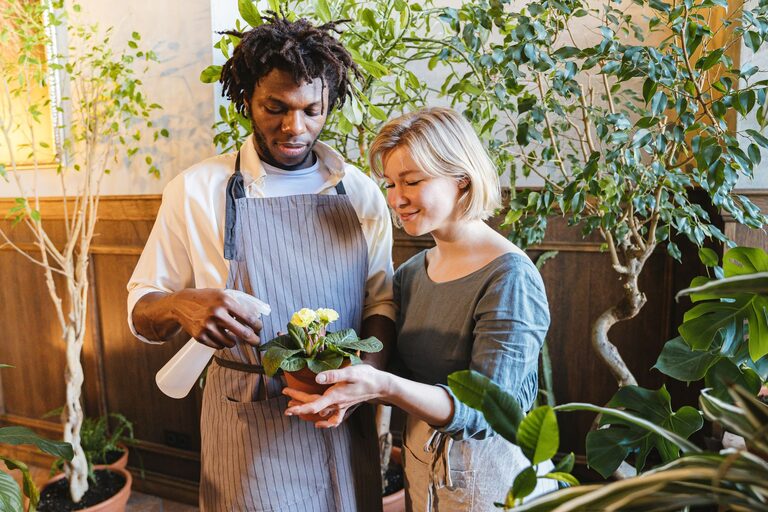
Houseplants can brighten a room, improve its atmosphere, and bring a touch of nature indoors. They do not need constant attention, but they do need the right conditions and a consistent care routine. Small changes in light, watering, or placement can make a big difference in plant health.
Whether you are caring for a single pothos or building a collection of indoor plants, these simple tips can help your plants grow strong and stay attractive throughout the year.
Choose the Right Plant for Your Space
The best houseplant is one that suits the conditions in your home. Before buying a plant, consider how much natural light your rooms receive, how warm they are, and how much time you can spend on care.
Some plants prefer bright, indirect light, while others can handle lower-light areas. A sunny windowsill may be ideal for certain herbs or succulents, but it could be too intense for plants with delicate leaves.
When selecting a plant, check its care label for information about:
– Light requirements
– Watering needs
– Mature size
– Preferred humidity
– Temperature range
– Pet safety, if needed
Choosing a plant that matches your home is often easier than trying to change your home to suit the plant.
Provide the Right Amount of Light
Light is one of the most important factors in houseplant health. Plants use light to produce energy, but too much direct sun can scorch their leaves.
Place plants according to their needs:
– Bright, indirect light: Near an east- or west-facing window, slightly away from the glass
– Bright direct light: In a sunny window, suitable for sun-loving plants
– Low light: In a room with limited natural light, away from harsh sun
Turn your pots a quarter turn every week or two so all sides of the plant receive light. This encourages more even growth and can prevent the plant from leaning toward the window.
Signs of insufficient light may include long, thin stems, small new leaves, and slow growth. Too much light may cause faded, brown, or scorched patches on the leaves. Move the plant gradually if you need to change its location.
Water Carefully
Overwatering is one of the most common causes of houseplant problems. Many plants suffer because their roots stay wet for too long, which can lead to root damage.
Instead of watering on a strict calendar, check the soil first. Press a finger about an inch into the soil. If it feels dry at that depth, the plant may need water. For larger pots, use a wooden stick or moisture meter to check deeper soil.
When watering:
- Pour water slowly over the soil.
- Continue until a small amount drains from the bottom.
- Empty any water collected in the saucer.
- Allow the soil to dry to the level preferred by that plant before watering again.
Plants in bright, warm rooms may need water more often than plants in cool, dim spaces. Seasonal changes also affect watering needs, so adjust your routine throughout the year.
Use Pots With Drainage Holes
A container with a drainage hole allows extra water to escape. This helps prevent water from collecting around the roots.
If you prefer to use a decorative pot without a hole, keep the plant in a smaller container with drainage and place that container inside the decorative one. Remove it when watering and allow it to drain fully before returning it.
Avoid placing stones or gravel at the bottom of a pot as a substitute for drainage. This does not create a reliable drainage layer and can leave the roots sitting in wet soil.
Select Suitable Potting Soil
Regular garden soil is often too dense for houseplants. It can hold too much moisture and may not provide enough air around the roots. Use a quality indoor potting mix made for containers.
Different plants may benefit from different mixtures:
– Succulents and cacti usually prefer fast-draining soil.
– Tropical plants often like a loose mix that holds some moisture.
– Herbs may grow well in a light, well-draining potting mix.
Refresh the soil when it becomes compacted, drains very slowly, or no longer supports healthy growth. Repotting is also useful when roots circle tightly around the inside of the container.
Maintain Comfortable Humidity
Many indoor plants come from naturally humid environments. Dry indoor air, especially during colder months, can cause brown leaf tips or edges.
To increase humidity, you can:
– Group several plants together
– Place a water-filled tray near the plants
– Run a room humidifier
– Move plants away from heaters, vents, and drafts
Avoid keeping leaves constantly wet, as this may encourage problems on the foliage. Good air circulation is helpful, so leave a little space between plants.
Keep Leaves Clean
Dust can collect on leaves and reduce the amount of light they receive. It can also make it harder to notice signs of pests or other problems.
Wipe broad leaves gently with a clean, damp cloth. For smaller or delicate leaves, use a soft brush or rinse the plant lightly with lukewarm water if appropriate. Support the leaves as you clean them to avoid bending or tearing.
Do not use household cleaning products or oily leaf-shine products. They may damage the leaf surface or block the plant’s natural processes.
Inspect Plants for Pests
Check your plants regularly, especially underneath leaves and near stems. Early detection makes pest problems easier to manage.
Look for:
– Tiny insects
– Sticky residue
– Fine webbing
– Pale speckles
– Curled or distorted new growth
If you notice a possible pest, move the plant away from others while you inspect it. Remove visible insects by hand or rinse the foliage gently. You can also use a plant-safe product according to its label instructions. Avoid applying treatments in direct sunlight unless the label specifically allows it.
Prune and Remove Damaged Growth
Trim yellow, brown, or damaged leaves with clean scissors. Removing unhealthy growth improves the plant’s appearance and allows it to focus energy on healthy parts.
You can also prune long or uneven stems to encourage fuller growth. Cut just above a leaf node, which is the point where a leaf or branch connects to the stem.
Always use clean tools. Wipe the blades before and after pruning, particularly when working with more than one plant.
Fertilize During Active Growth
Plants use nutrients from the soil, but container plants may eventually need extra support. A balanced houseplant fertilizer can help during periods of active growth, usually in spring and summer.
Follow the product instructions carefully. Using too much fertilizer can damage roots and cause a buildup of salts in the soil. Avoid fertilizing a plant that is stressed from severe dryness, recent repotting, or other problems until it has recovered.
Reduce or stop feeding during slower growth in fall and winter unless the plant’s care instructions say otherwise.
Create a Simple Care Routine
Consistent observation is more useful than constant adjustment. Set aside a few minutes each week to inspect your plants and check the soil.
A simple routine might include:
– Checking soil moisture
– Looking for pests or damaged leaves
– Rotating pots for even growth
– Wiping dusty leaves
– Checking that containers drain properly
Keep notes about watering and other care if you have several plants. Over time, you will learn how quickly each plant dries out and which locations work best.
Healthy houseplants do not require perfection. By providing suitable light, watering thoughtfully, using well-draining soil, and observing changes early, you can create a reliable care routine that helps your indoor plants thrive.