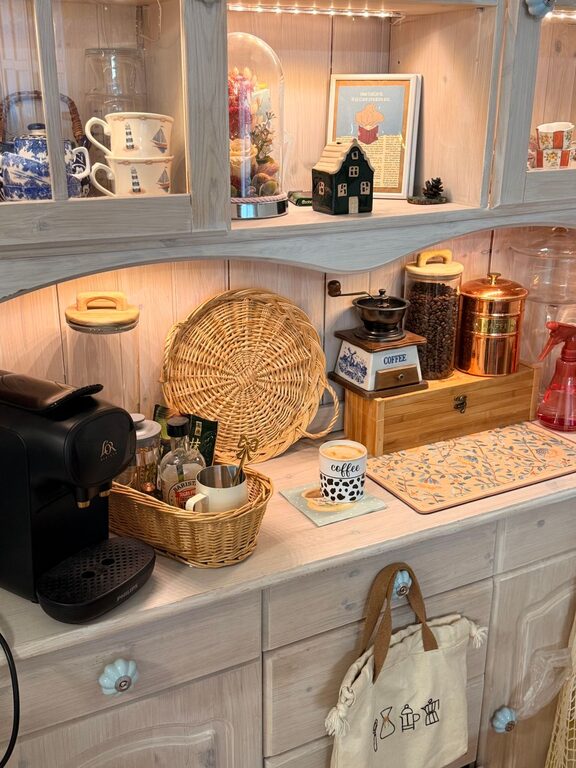











Why Comfortable Lighting Matters
Good lighting does more than help you see. It can make a room feel welcoming, support everyday tasks, and create a calmer atmosphere in the evening. Uncomfortable lighting, on the other hand, may feel too harsh, too dim, or unevenly distributed.
The best home lighting plan combines several types of light instead of relying on one ceiling fixture. By considering the room’s purpose, natural light, surface colors, and personal preferences, you can create spaces that feel pleasant throughout the day.
Start With the Room’s Purpose
Each room needs lighting that matches the activities performed there. A relaxing living room has different requirements from a kitchen, home office, or bedroom.
Before choosing fixtures or bulbs, ask:
– What activities take place in this room?
– Does the room receive strong natural light?
– Will people read, cook, work, or move around in the space?
– Should the room feel bright and lively or soft and relaxing?
– Are there areas that currently feel shadowy?
A single light source may be enough for a small hallway, but larger or more active rooms usually benefit from a combination of lighting types.
Use Three Layers of Lighting
A comfortable lighting plan often includes three layers: ambient, task, and accent lighting. Each layer serves a different purpose, and using them together helps prevent both glare and dark corners.
Ambient Lighting
Ambient lighting provides general illumination for the entire room. Common examples include ceiling fixtures, chandeliers, recessed lights, and wall-mounted fixtures.
Choose ambient lighting that spreads light evenly rather than creating a bright spot in the center of the room. Fixtures with frosted shades or diffusers can soften the light and reduce harsh shadows.
Task Lighting
Task lighting focuses on areas where specific activities take place. Examples include:
– Under cabinet lights in a kitchen
– A desk lamp for reading or computer work
– A floor lamp beside a chair
– Vanity lights near a bathroom mirror
– Bedside lamps for reading
Task lighting should be bright enough for the activity without shining directly into your eyes. Position it carefully to reduce shadows. For example, a desk lamp is often most useful when placed to the side of your dominant hand.
Accent Lighting
Accent lighting highlights selected features, such as artwork, shelves, architectural details, or plants. It adds depth and visual interest without needing to brighten the entire room.
Use accent lighting sparingly. A few carefully placed fixtures usually look more comfortable than many bright points of light.
Choose the Right Brightness
Brightness is one of the most important factors in comfortable lighting. A room that is too dim can feel gloomy, while one that is overly bright may feel tiring or harsh.
Instead of selecting the brightest bulb available, think about how the light will be used. A kitchen work surface may need stronger task lighting, while a bedroom usually benefits from softer illumination.
Dimmable fixtures are especially useful because they let you adjust brightness for different times and activities. Bright light can support cleaning or cooking, while a lower setting may feel better during dinner or relaxation.
When comparing bulbs, look for the lumen rating rather than relying only on wattage. Lumens describe the amount of light produced, while watts describe energy use. Modern energy-efficient bulbs can produce plenty of light while using less power.
Select a Comfortable Color Temperature
Light color affects the mood of a room. Bulbs are commonly described by color temperature, measured in Kelvin.
– Warm white light creates a soft, welcoming feel and works well in bedrooms, living rooms, and dining areas.
– Neutral white light offers a balanced appearance and can suit kitchens, bathrooms, and multipurpose rooms.
– Cool white light appears sharper and more energetic, making it useful for some work areas.
Many people prefer warm or neutral light in spaces where they relax. A consistent color temperature within the same room usually looks more natural and comfortable. However, different rooms can use different temperatures based on their purpose.
If you are unsure, start with warm to neutral bulbs and test them in the room before buying several fixtures.
Reduce Glare
Glare occurs when a light source is too bright, exposed, or positioned directly in your line of sight. It can make a room feel uncomfortable even when the overall brightness is appropriate.
To reduce glare:
– Choose shades or diffusers that cover the bulb.
– Avoid placing bright fixtures where they shine directly toward seating.
– Use adjustable lamps so light can be directed where it is needed.
– Select matte finishes for areas that reflect a lot of light.
– Keep screens and glossy surfaces away from direct light when possible.
– Use window shades to control strong daylight.
Glare can also come from reflections on floors, countertops, mirrors, and television screens. Consider how light interacts with these surfaces before finalizing fixture placement.
Consider the Size and Shape of the Room
The size of a room affects both the number and placement of light sources. A large room may need several fixtures or a mix of ceiling, wall, and floor lighting. A small room may feel crowded if it contains too many visible fixtures.
In rooms with low ceilings, flush-mount or semi-flush fixtures can provide useful overhead light without taking up much space. Taller rooms may accommodate pendant fixtures or chandeliers, provided they do not hang too low.
Long rooms often benefit from multiple fixtures spaced along the length of the ceiling. This creates more even coverage than one fixture placed in the center.
Make Use of Natural Light
Natural light can improve the feel of a room and reduce the need for electric lighting during the day. Arrange furniture so windows are not blocked, and use window coverings that let you control brightness and privacy.
Light-colored walls and ceilings can help spread daylight throughout a room. Mirrors may also reflect natural light, although they should be positioned carefully to avoid creating glare.
Remember that daylight changes over the course of the day. A room that feels bright in the morning may need additional lighting in the afternoon or evening.
Choose Practical Controls
Convenient controls make lighting easier to adjust and more comfortable to use. Wall switches should be easy to reach, especially near entrances and beside beds. Three-way switches can control the same light from two locations, which is useful in hallways, stairways, and larger rooms.
Dimmers provide flexibility, but make sure the bulbs and fixtures are compatible with the dimmer switch. If you use smart lighting, choose controls that are simple for everyone in the household to operate.
Separate switches for different lighting layers are helpful. For example, you might control overhead lights, under cabinet lights, and accent lights independently in a kitchen.
Keep Style and Function in Balance
Lighting fixtures contribute to a room’s appearance, but visual style should not come at the expense of comfort. A beautiful fixture may still be unsuitable if it produces harsh shadows, creates glare, or does not provide enough light.
When comparing fixtures, consider:
– How much light the fixture produces
– Whether the bulb is exposed
– How easily the fixture can be cleaned
– Whether the material suits the room
– How the light is directed
– Whether replacement bulbs are easy to find
A simple fixture with soft, well-distributed light is often more useful than a dramatic fixture that creates uncomfortable brightness.
Test Before Making a Final Choice
Lighting can look different in a store, online image, or showroom than it does in your home. If possible, test a bulb or fixture in the intended room before making a larger purchase.
Check how it looks at different times of day and with the room’s existing colors and furnishings. Sit in the main seating areas and look toward the fixture to check for glare. Also test the light while performing the room’s primary tasks.
Comfort is personal, so allow household members to share their preferences. Small adjustments, such as changing a bulb, adding a diffuser, or moving a lamp, can make a noticeable difference.
Final Tips for a More Comfortable Home
A few simple habits can improve your lighting plan:
– Combine ambient, task, and accent lighting.
– Use dimmers where brightness needs to change.
– Select warm or neutral light for relaxing spaces.
– Position task lights to reduce shadows.
– Cover exposed bulbs when they create glare.
– Use separate switches for different lighting layers.
– Consider natural light before adding more fixtures.
– Test bulbs and placement before committing to a full set.
Comfortable home lighting is less about using the most powerful fixtures and more about creating balance. With thoughtful brightness, suitable color, careful placement, and flexible controls, every room can feel more inviting and easier to use.